A Premium Dumbphone in Your Pocket: Digital Minimalism Without Extra Hardware
- digital-wellbeing
- digital-minimalism
- chrome-extension
💡 Key Takeaways
The App Gap Dilemma: Pure hardware dumbphones fail for modern professionals because modern life requires 2FA, ridesharing, public transit apps, and encrypted global messaging like WhatsApp.
The Screen Time Shift: Buying a secondary minimalist device doesn't stop distraction; it usually just shifts your infinite scrolling from a 6-inch phone screen to a 14-inch laptop screen.
True E-Waste Alternatives: Instead of manufacturing more silicon or carrying two devices, the ultimate strategy for digital minimalism is to add intentional friction on the browser and phone you already own—a distraction-aware minimalist setup without buying another gadget.
There is a growing movement of professionals abandoning their flagship smartphones in favor of intentional "dumbphones." Driven by digital burnout, Gen Z and millennials are turning to e-ink screens, flip phones, and minimalist devices to escape the infinite scroll, constant notifications, and a weaponized attention economy.
But for a modern knowledge worker, engineer, or designer, hitting "buy" on a minimalist gadget quickly collides with reality. You cannot compile complex codebases, edit ProRes video files, manage architectural plans, or coordinate cross-border teams on a device with a monochrome screen and a numeric keypad.
The core problem isn't your premium hardware. The problem is that our incredibly powerful machines treat addictive, low-value web services with the exact same ease as our highest-value professional tools. True screen time reduction shouldn't mean downgrading your life or isolating yourself from modern society. You don't need a worse computer; you need friction-heavy environments for distractions, and zero-friction environments for deep work. For how that differs from going offline entirely, see what is digital friction—minimalism reduces usage; friction changes how you use the tools you keep.
The Modern "Dumbphone Trap": App Gaps and Real-World Friction
When you look deeply at the phone world, the romanticized ideal of the pure analog lifestyle breaks down under the weight of structural, real-world user problems:
- The 2FA and Banking Deadlock: You cannot opt out of modern security. Two-factor authentication (2FA) apps, biometric mobile banking, and digital IDs are required infrastructure for a working professional. Without them, you are locked out of your livelihood.
- The Logistics Gap: Navigating a city in 2026 without ridesharing apps (Uber/Lyft), live public transit trackers, or QR-code train tickets isn't just minimalist—it's functionally paralyzing.
- The Global Communication Reality: While luxury dumbphones heavily market text-and-call minimalism, the global economy does not run on SMS. International teams, families, and communities rely on encrypted, media-rich platforms like WhatsApp, Signal, or iMessage. Forcing your ecosystem onto compressed, broken MMS threads isolates you socially and professionally.
Because of this "app gap," users who buy minimalist hardware inevitably fall into the two-device trap. They carry a luxury dumbphone and a smartphone or tablet in their bag "just in case."
The Irony of Digital Detox Gadgets and E-Waste
This cycle introduces a profound irony: in an effort to reduce tech consumption, consumers end up buying more hardware, contributing to global e-waste, and increasing their overall cognitive load.
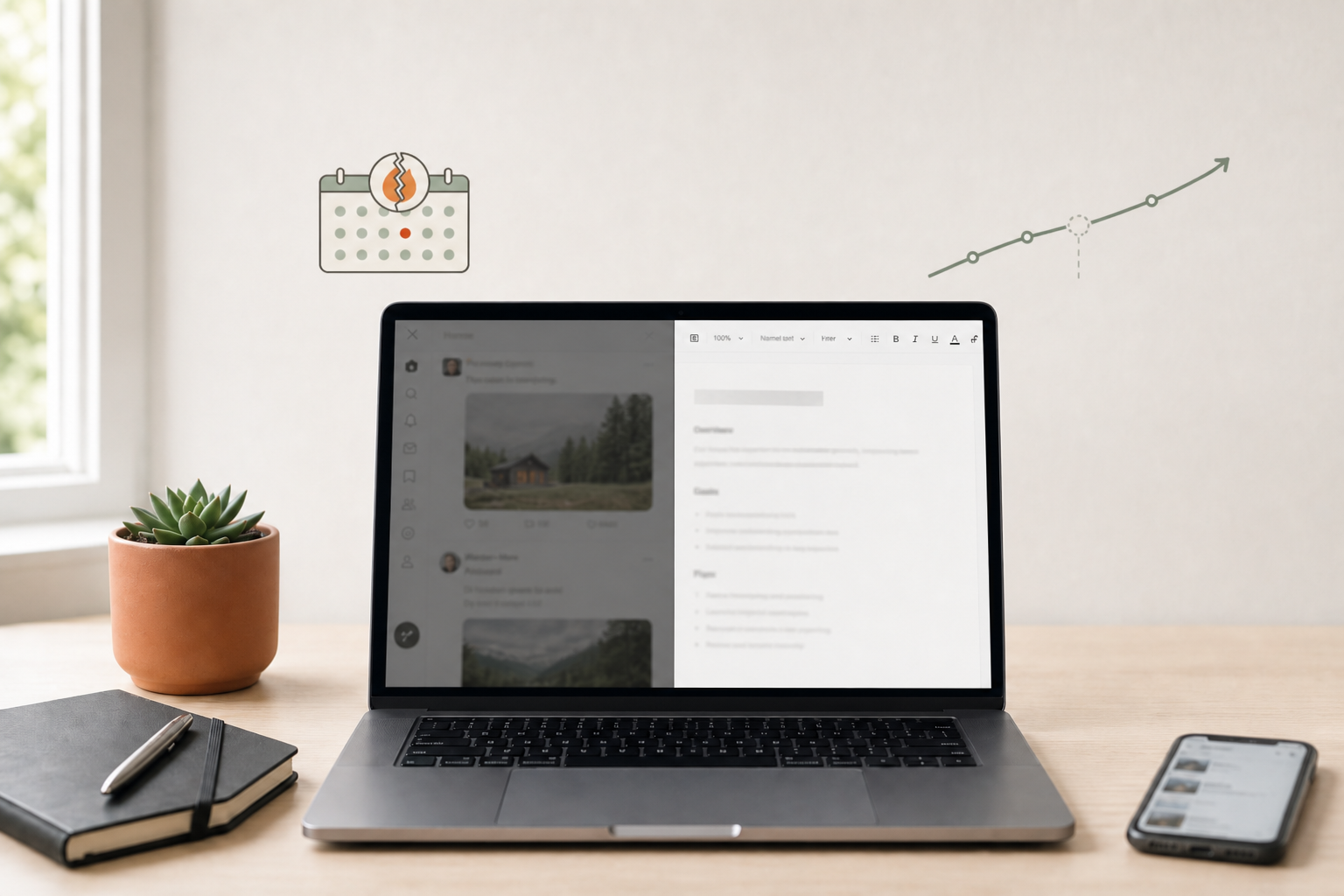
Worse yet, the moment you open your laptop to do real work, the exact same distracting ecosystems are waiting—frictionless, instant, and optimized to keep you scrolling. Your phone might be a gray-scale brick, but your browser is still a dopamine firehose. If you don't secure the perimeter of your primary work machine, you haven't cured your distraction—you've just moved it to a larger screen.
If you want a sustainable e-waste dumbphone alternative, the answer isn't manufacturing more silicon or mining more lithium. It's re-engineering how your current devices handle attention.
Transforming the Machine You Already Own
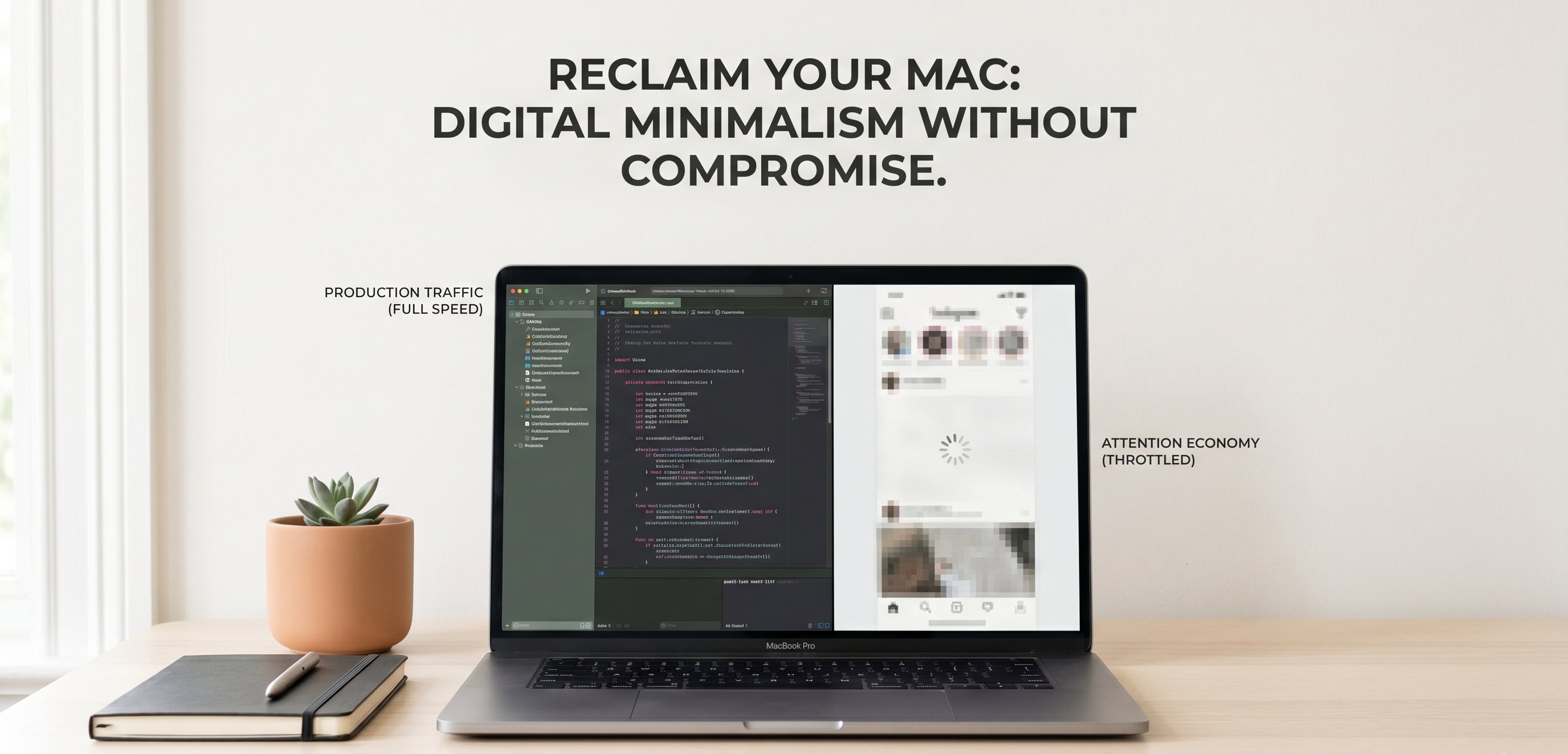
SlowDwn brings the philosophical core of digital minimalism onto the browser and phone you already use. It acknowledges that you need your premium machine, your ultra-crisp display, and your high-speed development environment. Instead of forcing you to abandon modern utilities, it adds intentional friction where addiction lives—and leaves utility alone.
You can build a strict hierarchy of what actually matters to your daily workflow:
- Production work: Your local servers, GitHub pushes, and terminal dependencies stay unrestricted.
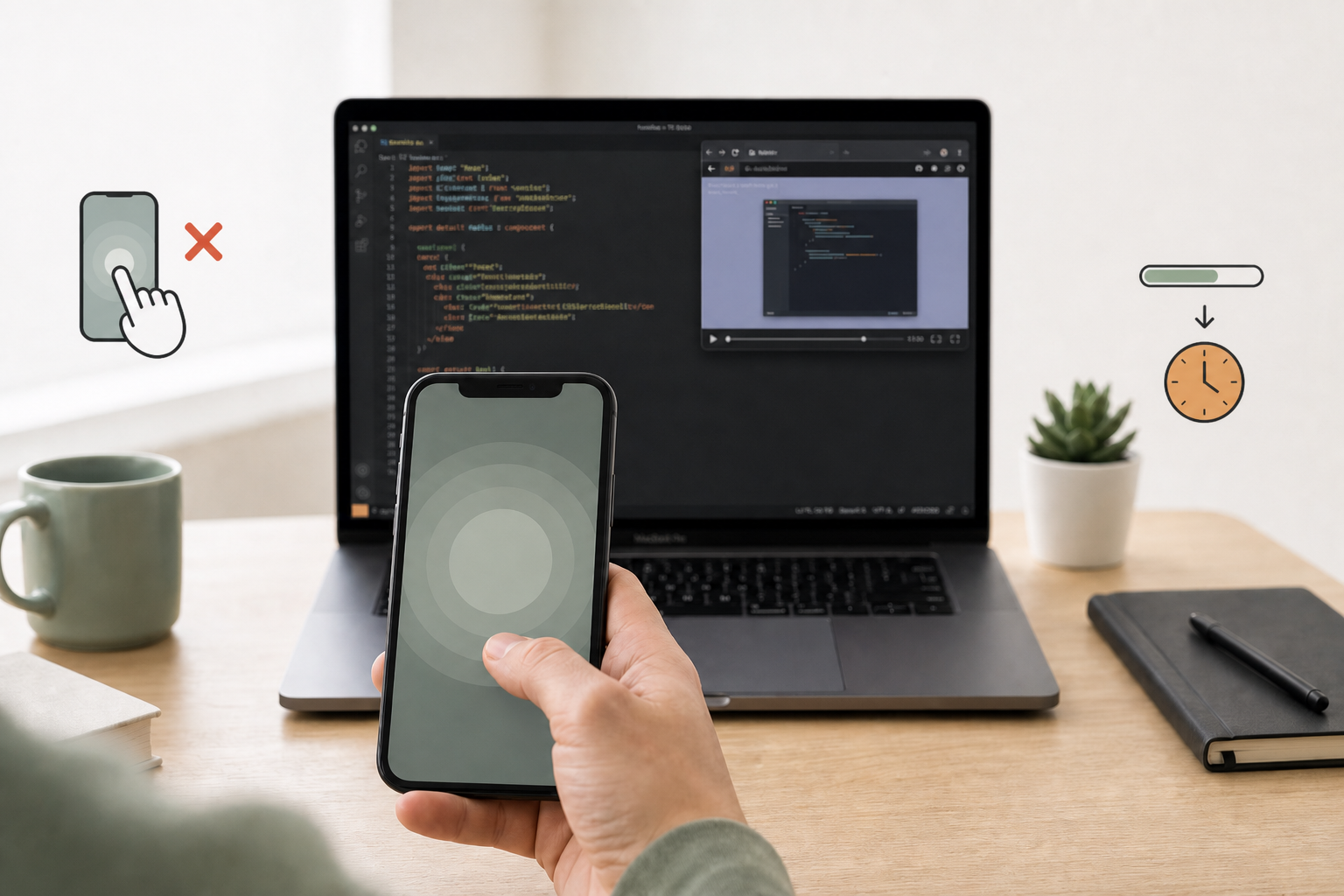
- Intention-based access: Essential research and tutorials stay reachable during a golden window of normal use; after that, infinite-scroll surfaces hit a calm pause—not a timed unrestricted free pass, and not a hard lockout.
- The attention economy trap: Infinite scroll networks, algorithmic video feeds, and tabloid media encounter a speed bump—a breathing overlay in the browser, or a soft pause / Screen Time-style shield on phone—so autopilot costs more than conscious choice.
The dimmer-switch argument: This isn't a hard lockout you disable when willpower fades. A golden window then calm pause changes the reward loop of compulsive browsing. When a toxic feed interrupts with a brief pause, your brain often abandons the loop—without needing a second phone in your bag.
This approach honors both your intelligence and your investment in high-end technology. It leaves your premium hardware intact while making the addictive corners of the web feel less automatic. You keep your sleek, high-performance minimalist desktop setup; you lose the algorithmic manipulation. Free Chrome extension (1 service free / 3 with account); iOS and Android in beta.
Frequently Asked Questions
What is a premium dumbphone alternative for knowledge workers?
Instead of buying a second minimalist device, add intentional friction on the browser and phone you already own: professional tools stay usable while addictive feeds hit a calm pause after a golden window. You get digital minimalism without extra hardware or e-waste.
Can digital minimalism work without a dumbphone?
Yes. Minimalism is about intentional use, not abandoning modern tools. Digital friction keeps browsers, chat, and collaboration available while making compulsive scrolling less automatic—often more realistic than carrying two phones.
Why doesn't buying a dumbphone fix laptop distractions?
The two-device trap shifts scrolling from a small screen to your laptop, which still serves feeds with zero friction. Securing your primary work machine matters more than downsizing your pocket device.
How does SlowDwn support a minimalist desktop setup?
SlowDwn adds intentional friction where attention-economy traps live—a golden window then calm pause—while production and research stay usable. Your premium machine stays; the dopamine loop doesn't.